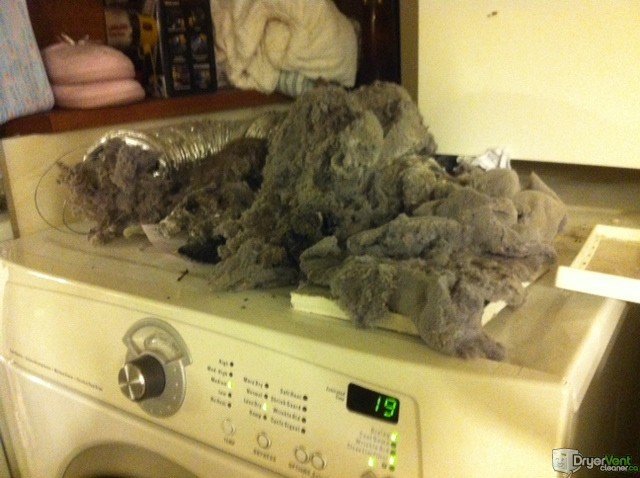
Stop the dryer and unplug it. A burning smell from a dryer usually means lint, dust, or a stray item is touching a hot surface inside — and until you find it, running another cycle can turn a small problem into a fire.
The most common cause is lint built up around the heating element or exhaust path. The second most common is a small item — a sock, a dryer sheet, a pen — sitting against the heater. Less often, it’s a worn belt or a failing motor.
In the next minute: unplug the dryer, or shut off the breaker if it’s hardwired. Don’t open the door and reach inside yet. Let it cool for 15 minutes first.
Then pull the lint filter and hold it up to a light. If you can see through it, the filter is fine and the blockage is deeper in the cabinet or the vent run. If it’s matted, wash it with soap and water, dry it fully, and run a cycle with nothing in the drum.
Smell again on that empty cycle. A faint hot-dust smell that fades is normal on a first run after cleaning. A sharp, acrid smell that returns means stop calling it maintenance and treat it as a repair.
The difference matters because lint near the heater is the fire risk, while a belt or motor smell is a breakdown risk. The first can burn your house down; the second just leaves you with wet laundry.
Do these five things right now
- Stop the cycle and unplug the dryer. If it’s hardwired, flip the breaker marked for the laundry area. This cuts power to the heater.
- Leave the door closed for 15 minutes. The drum and heating element stay hot after the cycle stops. Opening it early can let air hit hot lint.
- Move anything flammable away from the dryer. Pull clothes, boxes, and cleaning rags at least 3 feet back from the machine.
- Write down what you smelled. Rubber, burnt sugar, and scorched dust smell different. That detail tells a technician where to look.
- Check the outside vent flap. Go outside and look at the wall vent. If no air is pushing out, the exhaust line is blocked — that’s the likely source.
What’s actually causing that burning smell
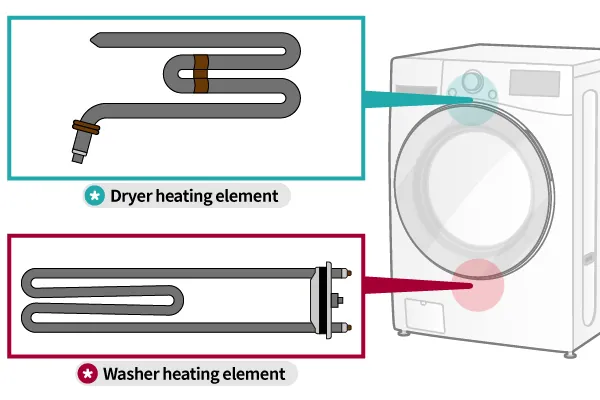
A dryer pulls wet air out of the drum, sends it through a lint filter, then pushes it down an exhaust pipe to the outside wall. Heat comes from a gas flame or an electric coil. Anything that touches that heat source and shouldn’t will smell like it’s burning.
Lint is the number one culprit. It’s fine, dry, and flammable. It slips past the filter over time and collects near the heater housing or inside the exhaust pipe. The U.S. Fire Administration reports that failure to clean dryers is the leading factor in dryer fires — you can read their guidance on dryer fire safety.
A second common cause is a small item stuck in the drum or the lint trap area. A dryer sheet, a pen, a coin, or a sock can sit against the heater and scorch. That gives a sharp, plasticky or inky smell, not a dusty one.
A third cause is mechanical. A worn drive belt rubs against a pulley and gives off a rubber smell. A failing motor or a seized roller can do the same. These smells often come with a squealing or thumping noise.
The smell alone doesn’t tell you which one it is. What separates them is timing: a smell that starts 10 minutes into the cycle points to heat and lint. A smell that starts the moment the drum turns, before it’s warm, points to the belt or motor.
Check these, cheapest first
Work down this list. The first three cost nothing but your time.
Look at the lint filter
Pull the filter out and hold it up to a light. You should see through it. If it looks fuzzy or clogged, wash it with warm soapy water, dry it fully, and put it back. A filter coated with dryer sheet residue blocks air even when it looks clean.
Shine a light into the filter slot
Use a flashlight and look down into the cavity below where the filter sits. You’ll likely see lint packed on the walls. A vacuum hose with a crevice tool pulls most of it out. If you see scorched or blackened lint, stop — that’s a technician job.
Check the outside vent
Go outside while the dryer runs on air-only (no heat). Hold your hand near the flap. You should feel strong airflow. Weak or no airflow means a blocked exhaust line, which is the most dangerous version of this problem.
Sniff near the back panel
With the dryer off and cool, put your nose near the rear vent and the heater housing area. A dusty, scorched smell means lint near the heater. A rubber smell means the belt. A hot, acrid smell can mean a failing motor.
Check the drum for stray items
Turn the drum by hand and listen. It should spin smoothly with no grinding. Run your hand around the inside edge and the door seal. Coins, pens, and small toys hide there and scorch against the heater.
Test the outlet and cord
Feel the plug and cord after a short cycle. They should be warm at most, never hot. A hot plug or a scorched outlet means an electrical problem, not a lint problem. Stop using the dryer until an electrician looks at it.
Fixing the most likely cause
If the checks point to lint, the fix is a full clean of the lint path. Unplug the dryer first. Pull it out from the wall, leaving the vent hose attached. Remove the lint filter and vacuum the slot with a crevice tool, going as deep as the tool reaches.
Next, disconnect the vent hose from the back of the dryer. Reach inside the hose and pull out lint by hand, then vacuum it. If the hose is the foil type and crushed or torn, replace it with a rigid or semi-rigid metal duct — those meet most building codes and don’t sag. Check your local code office for the exact requirement in your area.
Clean the outside vent flap too. Remove the cover, pull out the lint, and make sure the flap opens freely. Reconnect everything, plug the dryer back in, and run it on air-only for 10 minutes. You should feel strong airflow outside and smell nothing.
The fix has held if a full cycle finishes with no smell and the outside airflow stays strong. If the smell comes back within a week, the blockage is deeper in the wall duct or the problem isn’t lint at all — call a technician.
When to stop and call someone
Stop and call a qualified appliance technician if you smell burning after a full lint clean, if you see scorch marks or melted wires, or if the drum won’t turn freely. Those point to the heater, the motor, or the wiring — and none of those are safe to open yourself.
Gas dryers add a second reason to stop. Any work past the gas valve, the igniter, or the gas line itself needs a licensed gas fitter. A mistake there risks a leak or a fire.
Never open the cabinet, touch the heating element, or test parts with a multimeter. That’s technician work.
Have those answers ready, and mention anything you already checked.
Frequently asked questions
Can a burning smell from a dryer be dangerous?
Yes. A burning smell means something is hot that shouldn’t be, and lint near a heater can ignite. The U.S. Fire Administration links most dryer fires to failure to clean the machine. Stop the dryer, unplug it, and don’t run another cycle until you find the source.
Why does my dryer smell like burning rubber?
A rubber smell usually points to the drive belt slipping or rubbing, or a roller that’s seized. It often comes with a squealing noise. If the smell appears the moment the drum starts turning, before any heat builds, the belt is the likely cause. Stop using it and book a repair.
How long does it take for lint to build up enough to smell?
It depends on how often you dry and how much lint your loads produce.
Is it safe to use the dryer if the smell only happens sometimes?
No. An intermittent smell means the cause is still there and only sometimes gets hot enough to notice. That’s often lint sitting near the heater that only scorches on longer or hotter cycles. Clean the full lint path before running it again.
What happens if I ignore a burning smell from my dryer?
The risk grows with every cycle. Lint that scorches once will keep building up, and a blocked vent traps heat inside the machine. That combination is what leads to dryer fires. At minimum, you’ll damage the heating element or motor and face a bigger repair bill.
Does a dryer sheet cause a burning smell?
A used dryer sheet can stick to the lint filter or the drum and scorch against a hot surface. It gives a chemical, waxy smell rather than a dusty one. Check the filter slot and the drum edge for a trapped sheet, and remove any you find before the next load.
Can I just run the dryer on air-only to be safe?
Air-only (no heat) is a good test after cleaning, because it moves air without heating anything. It’s not a fix. If the smell returns as soon as you add heat, the problem is in the heating area or the vent line, and it needs a proper clean or a technician.
How do I know if the vent line is the problem?
Run the dryer on air-only and feel the outside vent flap. Strong airflow means the line is clear. Weak or no airflow means a blockage somewhere in the pipe or the wall duct. That’s the most dangerous cause and needs cleaning before you dry another load.
Conclusion
If the smell is gone after a full lint and vent clean, you’ve likely solved it. If it comes back, or you saw scorch marks anywhere, stop and get a technician in. A dryer is one of the few appliances where ignoring a small smell can cost you the house.