
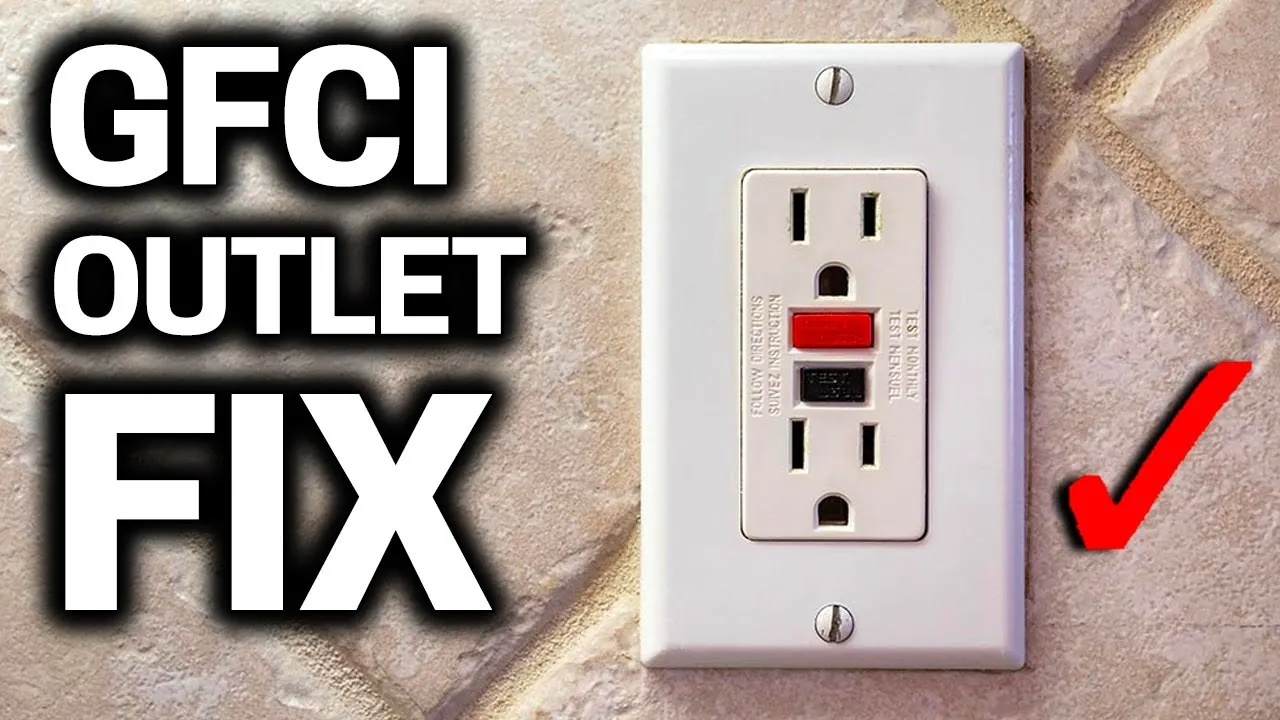
Most of the time, a GFCI outlet that won’t work has simply tripped, and the fix is pressing its own reset button. That button sits right on the face of the outlet, between the two receptacles. Press it firmly until it clicks and stays in. If it won’t stay in, or it trips again within seconds, the outlet is telling you something else is wrong — and the sections below rank what that usually is.
What usually trips a GFCI outlet
| Cause | How common | How to confirm it | Fix it yourself? |
|---|---|---|---|
| Tripped reset button | Very common | Button is popped out | Yes |
| Something plugged in is faulty | Common | Trips only with that item | Yes |
| Moisture in the outlet | Common | Trips after rain or damp | Yes with care |
| Wired to another GFCI | Sometimes | A second GFCI nearby is tripped | Yes |
| Loose or worn-out outlet | Sometimes | Trips with nothing plugged in | No |
| Wiring fault on the circuit | Less common | Trips right after reset | No |
| Bad breaker or lost power | Less common | No power at the panel | No |
Start with the reset button
The reset button is the cause more often than everything else on this list combined. A GFCI outlet watches the current going out and the current coming back. If those two don’t match, it cuts power in a fraction of a second. That’s the whole job — it protects people, not equipment.
A trip doesn’t always mean a fault. A power blink, a surge, or damp air can set it off. The outlet then stays dead until someone presses reset.
Here’s the test. Unplug everything from the outlet and from any outlets downstream of it. Press reset firmly. It should click and hold. Then plug one item back in at a time. If it trips on one item, that item is your problem.
If reset won’t hold at all, stop pressing it. A GFCI that trips the moment you reset it’s reporting a fault, and repeated pressing won’t clear it.
On time: a reset takes seconds. Tracking down which plugged-in item is guilty takes 5 to 10 minutes if you have several things on the circuit. The outlet’s own instructions, printed on the back or in the box, show which button is test and which is reset — check there if the labels are worn.
When a plugged-in item is the culprit
A faulty appliance is the second most common reason a GFCI won’t stay on, and it’s the one people blame last. The outlet is doing its job: something on the circuit is leaking current to ground, and the GFCI catches it.
You can tell this cause apart from a plain trip by one thing — the outlet resets fine with nothing plugged in, then trips again when a specific item goes in.
Work through it like this. Plug in one item. If it holds for a minute, unplug it and try the next. The item that trips the outlet is the one to retire or have repaired. Common offenders are things that get wet or have damaged cords: a kettle, a hair dryer, an old extension cord, a fridge with a worn compressor.
Watch for heat too. A cord or plug that feels warm after a few minutes is a warning sign on its own, even if the GFCI holds.
This test costs you nothing but time — maybe 10 to 15 minutes for a typical kitchen counter with four or five items on it. If the same item trips a different GFCI outlet in another room, that settles it.
Moisture and damp locations
Water is the third common cause, and it’s the one that comes and goes. A GFCI in a bathroom, kitchen, garage, or outside will trip after heavy rain, a spill, or a humid spell. The outlet dries out, you reset it, and it works again — until the next time.
You can tell moisture apart from a faulty appliance because there’s no pattern to the item plugged in. It trips when nothing is plugged in at all, usually after weather or a splash.
What to do: cut power at the breaker, then wipe the face of the outlet dry with a cloth. Don’t spray anything into it and don’t pour water near it. Let it sit. If it’s an outdoor outlet, check that its cover flap closes fully — a cover that hangs open lets rain straight in.
If it keeps tripping in dry weather with nothing plugged in, moisture isn’t your answer and you’ve moved into the “call someone” column.
The U.S. Consumer Product Safety Commission explains why GFCIs are required in wet locations and how they prevent shock.
Outlets wired to another GFCI
One GFCI often protects several ordinary outlets downstream of it. That’s normal and it’s how many homes are wired — one GFCI in the bathroom protects the whole run. So the dead outlet you’re staring at may not be the one that tripped.
The clue is simple: the outlet with no buttons on it has no reset of its own. Look around the room, and in the next room, for a GFCI with a popped button. Press reset there and the plain outlet should come back to life.
Kitchens and bathrooms are where this catches people. A GFCI near the sink can protect an outlet across the room, and a garage GFCI sometimes feeds an outdoor outlet on the same wall.
If you can’t find the tripped GFCI, check the breaker panel for a tripped breaker too. Some homes use a GFCI breaker instead of an outlet, and that one resets at the panel, not on the wall.
Rarer reasons a GFCI stays dead
A few causes are uncommon, but they explain the cases where nothing above works. Each has one clue that points to it.
- A worn-out GFCI. These devices have a limited service life, and an old one can fail closed or refuse to reset. The clue is an outlet that’s old and won’t hold reset with nothing plugged in.
- A loose wire at the terminals. Vibration and heat loosen connections over time. The clue is an outlet that works if you wiggle the plug, or one that’s dead while its neighbors are fine.
- A shared neutral or miswired circuit. Two circuits sharing a neutral will trip a GFCI constantly. The clue is a trip that happens seconds after every reset, with nothing plugged in.
- A lightning strike or surge. A nearby strike can damage the device. The clue is a GFCI that died the same day as a storm, along with other electronics in the house.
- A failed test button. If test won’t pop the button, the device may no longer be protecting anything. The clue is a button that feels dead when pressed.
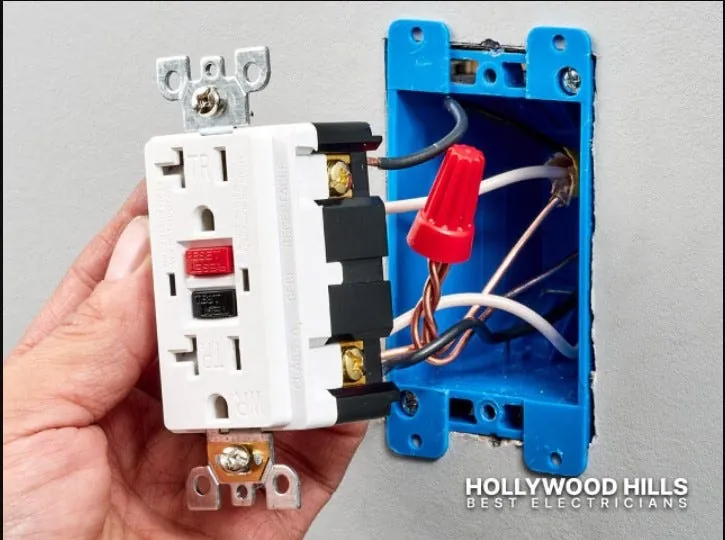
Anything past the outlet face — the wiring behind it, the breaker, the panel — is licensed electrician work. A GFCI that trips instantly with nothing plugged in, or a breaker that won’t reset, is where you stop and call one. Don’t open the outlet or the panel yourself. The wiring inside can stay live even when the outlet seems dead.
What fixing it actually involves
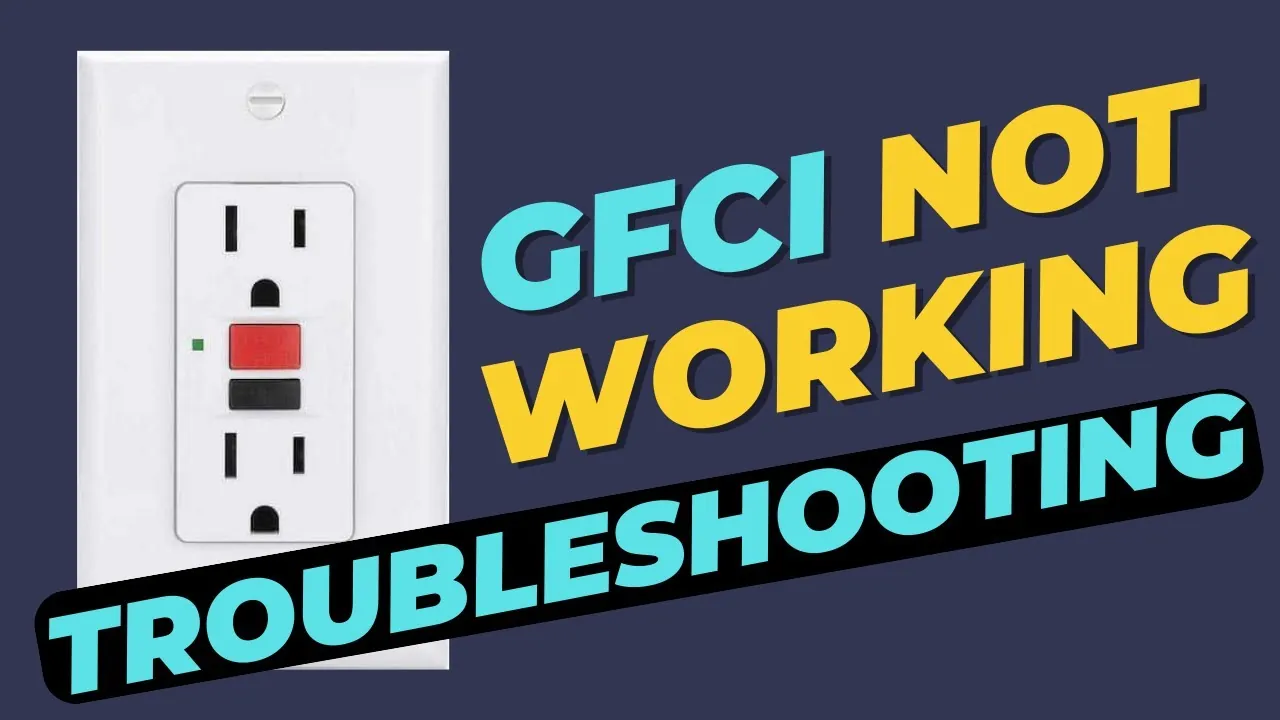
A reset costs nothing and takes seconds. That’s the fix for most people reading this, and it’s worth trying before anything else.
Replacing a GFCI outlet is the next step up. It’s a small part — about the size of a deck of cards — and a licensed electrician can swap one in a single visit. The cost depends on the part’s rating (15-amp or 20-amp, matching your circuit), whether the box behind it’s deep enough, and whether the wiring is in good shape. An older home with aluminum wiring or a crowded box takes longer.
If a plugged-in appliance is the culprit, the cost is a new appliance or a repair, and that’s usually the bigger bill. Get a quote from a repair shop before you replace anything expensive.
For a wiring fault, expect the electrician to trace the circuit first. Ask for the quote in writing before work starts, and ask whether the price includes the new GFCI device itself.
Related guides
Frequently asked questions
Why is my GFCI outlet not working after I press reset?
It’s usually still tripped because something on the circuit is leaking current. Unplug everything from the outlet and any outlets downstream, then press reset again. If it holds with nothing plugged in, add items back one at a time. If it won’t hold at all, the fault is in the wiring or the device itself.
Can a GFCI outlet go bad?
Yes. These devices have a limited service life and can stop protecting or stop resetting. The clue is an outlet that won’t hold reset with nothing plugged in, or a test button that no longer pops. If it’s old, replacement is the normal answer.
Why does my GFCI keep tripping with nothing plugged in?
A wiring fault or moisture is the usual reason. A shared neutral between two circuits will also cause it. If it trips within seconds of every reset with the outlet empty, stop resetting it and call a licensed electrician — that’s a fault inside the wall, not at the outlet.
How long does a GFCI outlet last?
These devices can fail over time, and they can fail sooner in damp locations. Check the label on your device or the maker’s official page for the figure that applies to your model. Test it monthly with the test button to confirm it still trips.
Is it safe to keep using a GFCI that won’t reset?
No. A GFCI that won’t reset isn’t protecting you, and the fault behind it may still be live. Leave it alone, don’t tape over it or force the button, and have an electrician look at it. Using a dead GFCI in a wet location removes the shock protection it was installed to provide.
What happens if I replace a GFCI with a normal outlet?
You lose the shock protection in that location, and it may break local electrical code for kitchens, bathrooms, garages, and outdoors. A standard outlet also won’t protect the outlets downstream of it. If you want the outlet gone, have an electrician confirm what your local rules allow first.
Does a GFCI protect the whole circuit or just one outlet?
It usually protects itself plus every standard outlet wired downstream of it. That’s why a dead outlet with no buttons can be fixed by resetting a GFCI in another part of the room. The protected outlets are the ones fed by the load terminals on the back of the GFCI.
Can I reset a GFCI if the breaker is off?
No. The reset button needs power to hold. Check the breaker panel first — a tripped breaker or a switched-off circuit will leave the GFCI dead no matter how many times you press reset. Once power is back, press reset firmly until it clicks.
Conclusion
Press reset first, with nothing plugged in. If it holds, add items back one at a time until you find the guilty one. If it won’t hold, or it trips again in seconds, the problem is behind the outlet — and that’s the point to call a licensed electrician rather than open anything yourself.