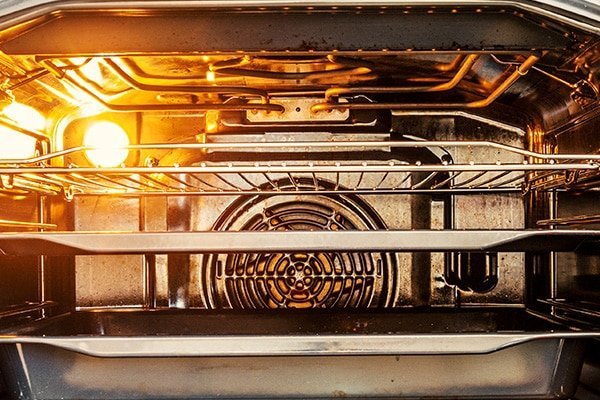
If your kenmore oven heating element isn’t working, the fix usually starts with the bake or broil setting, not the part. Set the oven to Bake at 350°F and watch the bottom element for 5-10 minutes. If it stays dark while the oven warms, the element itself is the likely cause. If the oven never warms at all, the problem is usually elsewhere. Check your model’s owner’s manual at Kenmore’s official site for your exact model number.
Why an oven element stops heating
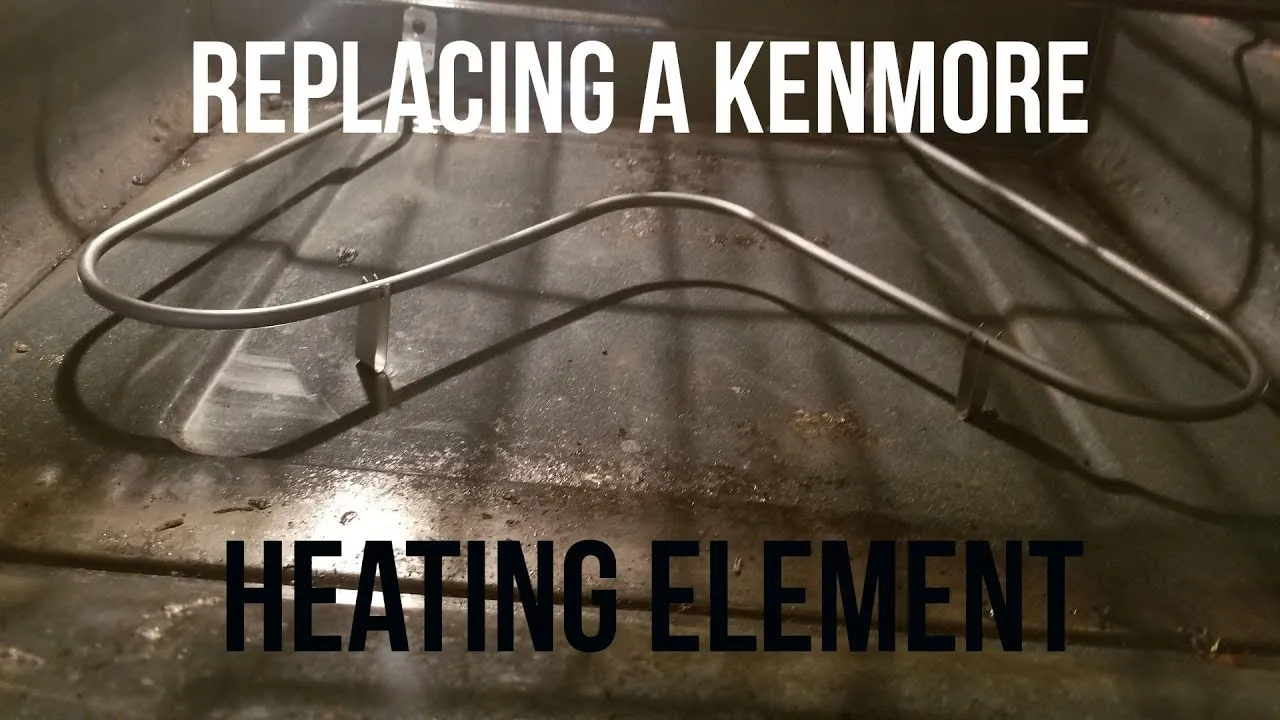
An oven element is a sealed metal tube with a wire inside. Power flows through that wire, it gets hot, and the tube glows. When the glow stops, one of a few things has happened — and they don’t all mean the same repair.
The most common cause is a burned-out element. The inner wire breaks from age, and the element goes dark for good. You’ll often see a blister, a crack, or a white powder spot on the tube where it failed. This is a part failure, not a wiring problem.
The second cause is a tripped breaker or a blown fuse. Electric ovens run on a high-voltage supply, split across two breakers or two fuses. If one side trips, the oven lights up and the clock works, but the elements stay cold. That half-dead symptom fools a lot of people into buying a part they don’t need.
The third cause is a failed control board or relay. The board sends power to the element on a signal. When the relay sticks open, the element never receives power, even though the element itself is fine.
A gas oven works differently. The bake igniter glows, the gas valve opens, and the burner lights. If the igniter glows but no flame appears, you have a gas-side problem, not an element problem. Stop and call a qualified gas technician — never try to light it yourself.
Safety: Inside a mains-powered machine, the parts behind the outer cover can hold a dangerous electrical charge even after it has been unplugged — that’s why they sit behind a cover. Opening the housing, or testing or replacing anything behind it, is a job for a qualified technician, never a home repair.
Test the element with the oven’s own controls
This check is for anyone with an electric Kenmore oven and a dark element. It’s free, it takes about 15 minutes, and it needs no tools at all.
Set the oven to Bake at 350°F and give it 5-10 minutes. Watch the bottom element through the window. A working element glows orange within a few minutes. If it stays black, note that.
Now switch to Broil for 5 minutes. The top element should glow. Run both tests, because the bake and broil elements are separate parts with separate failures. If one glows and the other doesn’t, you’ve found the dead one.
Next, check the breaker panel. Look for a breaker that’s tripped or sits between ON and OFF. Flip it fully off, then fully on. Do the same for any oven fuse in a fuse box. Then run the bake test again.
If the element glows during one test but the oven still won’t hold temperature, the problem is the temperature sensor or the control board, not the element.
You’ll know this worked when you see a steady orange glow and the oven reaches the temperature you set. If the oven is still cold after all three checks, move to the next section.
Check the model number before you buy any part
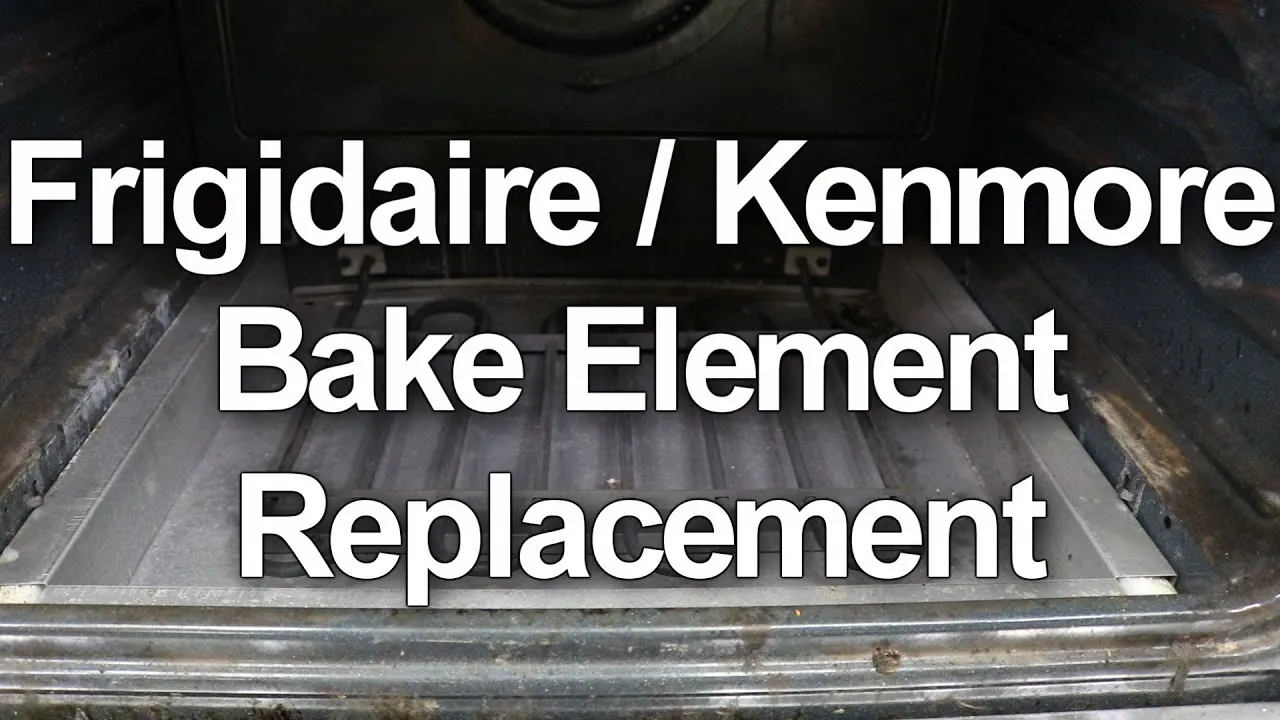
This step is for anyone who has confirmed the element is dead and plans to replace it. Buying the wrong part is the most expensive mistake here, and it’s easy to avoid.
Find the model plate first. On most Kenmore ranges it’s behind the storage drawer, on the back panel, or inside the door frame. Write down the full model number — it’s usually a mix of letters and digits, like 790.12345678.
The first three digits tell you who actually built the oven. Kenmore didn’t make its own appliances; different manufacturers built them under contract. That matters because two Kenmore ovens that look identical can take completely different elements.
Search that exact model number on Kenmore’s parts site or Sears PartsDirect. Match the part number to the element position — bake is the bottom, broil is the top. They aren’t interchangeable on most models.
Order the part, then replace it with the oven unplugged or the breaker off. Most elements are held by two screws and two push-on wires. Photograph the wires before you pull them so they go back on the same terminals.
If the new element still won’t glow, the fault is upstream — the control board or the wiring. At that point, stop buying parts and get a technician. Prices for elements vary by model, so check the current listing for your exact part number rather than trusting a number you saw online.
When to repair, replace, or call someone
This is the harder-case path, and it’s worth being honest about when it pays off. An element swap is a genuine DIY job for most people. A control board is not.
If the element is visibly cracked or blistered and the oven is relatively new, replace the element. The part is usually affordable and the job takes under an hour. That’s the best-value repair on this list.
If the control board has failed, weigh the cost against a new range. Board replacements run higher, and on an oven past its expected lifespan, the next failure is often close behind. Get a quote first, then decide.
If you smell gas, see a spark near a gas line, or the oven is a gas model that won’t light, stop. Call a licensed gas technician. Gas work carries a real risk of fire, explosion, and carbon monoxide, and it’s not a homeowner repair.
If the oven is still under its manufacturer warranty, call Kenmore service before touching anything. Your own repair can void that coverage.
The right call depends on your oven’s age and the local price of both the part and a service visit, and those vary a lot by model and by city. Get a written quote before you commit either way.
What not to do when the element is dead
- Don’t keep resetting the breaker and hoping. If a breaker trips again right after you reset it, you have a short or a bad element. Repeated resets can damage the wiring and start a fire.
- Don’t buy an element before you test both bake and broil. People replace the bottom element when the top one was dead the whole time. You’ll pay twice for one fix.
- Don’t trust a “universal” element. Ovens need the right wattage and mounting for the model. A mismatched element can overheat or fail fast.
- Don’t open the back panel or touch the wiring inside. That’s technician work.
- Don’t ignore a gas smell to save a service call. Gas leaks are a safety emergency. Leave the house and call your gas provider.
Stop it happening again
A little care between repairs goes a long way. Most element failures come from heat stress, spills, and loose connections, and you can limit all three.
| If you’re doing this | Do this instead | Why |
|---|---|---|
| Lining the oven floor with foil | Leave the floor clear, or use a drip pan on a lower rack | Foil traps heat and can short the element |
| Cleaning with a spray on a hot element | Let the oven cool, then wipe with a damp cloth | Thermal shock cracks the element tube |
| Sliding racks over the element | Lift racks straight up and out | Bumping the element bends the mounting |
| Ignoring a flickering element | Note it and check the part | A flicker often comes before a full failure |
| Resetting a tripping breaker again and again | Stop and call a technician | A repeat trip means a real fault, not a glitch |
| Skipping the model number | Write it down before ordering | Wrong parts are the top cause of repeat repairs |
Frequently asked questions
How long does a Kenmore oven heating element last?
Most oven elements last a long time with normal use. Heavy self-cleaning cycles and frequent spills shorten that. If your oven is well past its expected lifespan and the element dies, expect other parts to follow soon. There’s no fixed replacement schedule — replace it when it stops glowing, not before.
Can I use my oven if the bottom element isn’t working?
Yes, for some cooking. If only the bake element is dead, the broil element still works, so you can broil and use the stovetop. But you can’t bake properly, because the bottom heat source is gone. Don’t rely on it for cakes, bread, or anything that needs even heat from below.
Why does my oven get warm but the element never glows?
A warm oven with a dark element usually means one side of the high-voltage supply has failed. The oven’s lights and clock run on a low-voltage supply, so they still work. Check the breaker panel for a half-tripped breaker or a blown fuse, then reset it fully.
Is it safe to replace an oven element myself?
Yes, for an electric oven, if you turn the power off at the breaker first. The job is two screws and two wires on most models. Never do this on a gas oven’s burner system. If you’re unsure about any step, or you see damaged wiring, call a technician instead.
What happens if I use the oven with a broken element?
Not much at first, but you’re cooking with uneven heat, so food cooks wrong. The bigger risk is a shorted element that keeps tripping the breaker. Repeated trips can damage the control board and the wiring. Stop using the oven until the part is replaced.
Why does my Kenmore oven element keep burning out?
Repeat failures usually point to a wrong-wattage element, a loose terminal, or a failing control board. If the same element dies twice in a year or two, stop replacing it and have the oven checked. A technician can test the board and the wiring safely.
How do I find my Kenmore oven’s model number?
Look behind the storage drawer, on the back panel, or inside the door frame. The plate lists the full model and serial number. Write both down before you order any part. Without the exact model number, you can’t be sure the element will fit.
Conclusion
A dead oven element is frustrating, but it’s one of the more fixable problems in a kitchen. Test both elements, check the breaker, and match your model number before you buy anything. If the element glows after the swap, you’re done. If it doesn’t, the fault is deeper than the part — and that’s the point to call someone who works on ovens for a living.