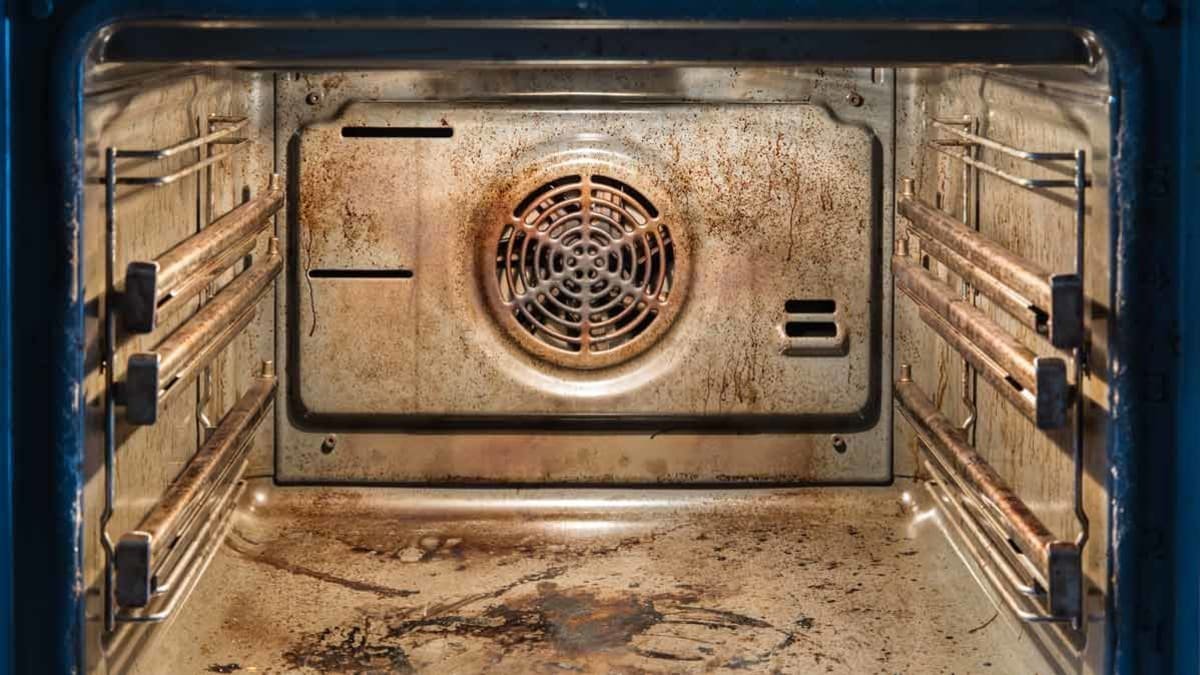
No. The only condition that decides whether it’s safe to self clean an oven while sleeping is your ability to stay awake and respond, and the worst realistic outcome if you get it wrong is carbon monoxide poisoning or an uncontrolled kitchen fire. A self-cleaning cycle heats the cavity to around 900°F (480°C) for two to four hours.
Can I run the self-clean cycle overnight?
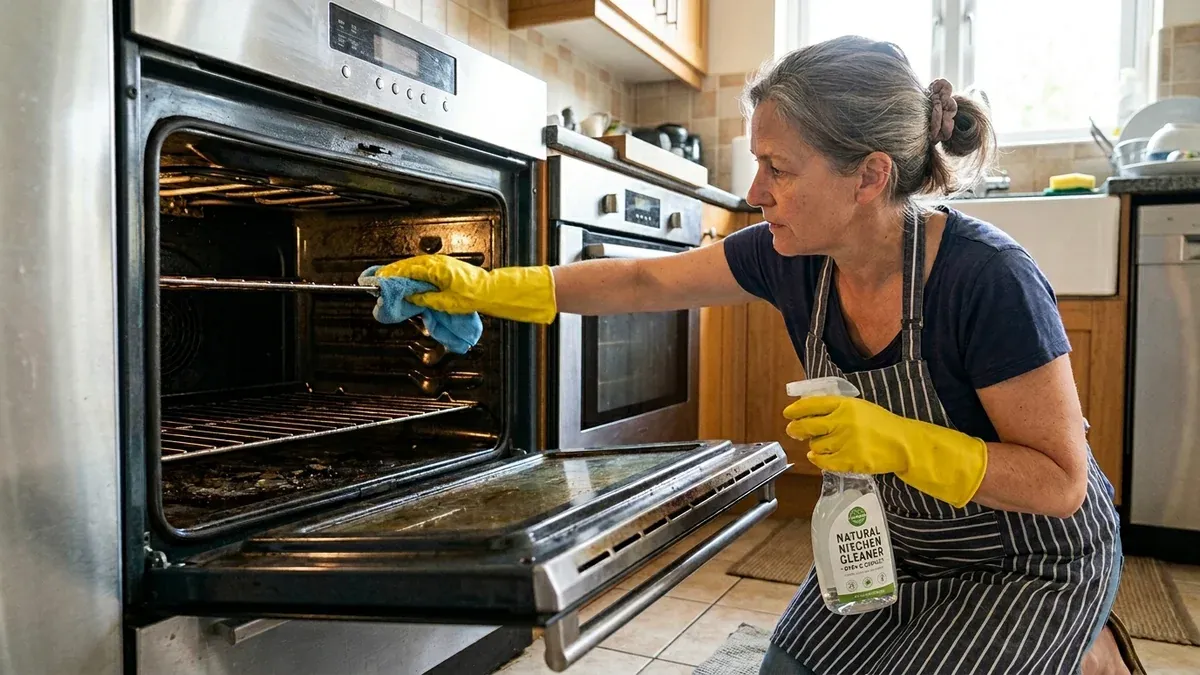
Running a self-cleaning oven while you sleep puts you in the room with extreme heat, invisible gas, and no one watching the controls. The table below sorts the situations readers actually ask about so you know which ones carry real danger.
| Situation | Safe? | Why |
|---|---|---|
| Running the cycle while sleeping | No | You can’t respond to smoke or fire. |
| Leaving the house during the cycle | No | A fault could start a fire unchecked. |
| Staying awake in the same room | With care | Fumes still build up without good airflow. |
| Running it with birds in the home | No | Fumes from heated coatings kill birds quickly. |
| Using it while someone naps nearby | No | Smoke can spread before anyone wakes up. |
| Starting it and staying awake in another room | Yes | You remain alert enough to act fast. |
What actually happens inside the oven
A self-cleaning cycle doesn’t just warm the oven up. It locks the door and pushes the internal temperature past 880°F (470°C), sometimes reaching 930°F (500°C). That intense heat turns baked-on grease and spilled food into white ash. But the process also releases gases. Carbon monoxide is the main concern because it has no color and no smell. Breathing it while you sleep means your body absorbs it without any warning signs like coughing or choking.
The US Consumer Product Safety Commission warns that fuel-burning appliances must have proper ventilation to prevent dangerous carbon monoxide buildup in living spaces. An oven running at maximum heat for three hours produces more exhaust than normal baking ever does. If your kitchen fan isn’t vented outside, or your windows are shut, that gas stays in the house.
Beyond the air you breathe, the heat itself creates mechanical stress. Oven components expand rapidly at 900°F. If a heating element has a tiny crack you didn’t notice, the extreme temperature can cause it to arc or fail completely. Sparks near the heavy insulation of an older oven can ignite trapped grease behind the panels. This isn’t a rare factory defect; it’s wear and tear that happens over years of cooking.
If you’re asleep, you miss the first signs. A faint burning smell, a clicking sound from the relay, or a slight haze in the kitchen air—these are your only warnings. By the time a smoke alarm sounds, a fire might already be spreading behind the cabinetry. The cost of ignoring this isn’t just a broken appliance. Replacing a wall and dealing with smoke damage runs into thousands of dollars, assuming everyone gets out safely.
There’s also a trade-off most people don’t weigh. You run the self-clean cycle to save time scrubbing later. But saving an hour of cleaning risks losing the entire kitchen. If the oven is heavily soiled, scrape out the large chunks first. Less material burning means less smoke and lower strain on the elements.
This advice isn’t for commercial kitchens with dedicated ventilation hoods and staff on shift. It’s for standard home ovens where the kitchen shares air with the bedrooms. Your specific risk depends on your oven’s age, its model, and your home’s airflow—you’ll find the exact cycle duration and temperature limits printed on the rating plate inside your oven door or in the manufacturer’s manual.
Warning signs to stop the self-clean cycle
You need to watch the oven actively during the entire cycle. Stop the process immediately if you notice any of these signals. Don’t wait to see if they go away on their own.
- Thick smoke pouring from the vents. This means too much grease is burning at once, and it can clog your exhaust path or ignite nearby cabinets.
- A sharp chemical or electrical burning smell. Normal food smoke smells like a campfire; plastic or ozone smells point to melting wire insulation or failing electronics.
- Loud popping, buzzing, or arcing sounds. These noises indicate an electrical component is shorting out under the extreme heat load.
- The exterior glass or handle becomes too hot to touch briefly. While the outside gets warm, blistering heat means the insulation barrier has failed or shifted.
- Your carbon monoxide detector starts chirping. Even a low-level alarm means the gas is building up faster than your ventilation can clear it.
- The oven door lock clicks repeatedly without engaging. A faulty lock mechanism can fail mid-cycle, allowing the door to open while the interior is at 900°F.
If you see these signs, press the cancel button and turn off the circuit breaker for the oven. Don’t force the door open while the cycle is active. Opening a superheated oven can let air reach hot grease and cause a flare-up. If smoke continues after power is cut, leave the house and call the fire department. Diagnosing electrical faults inside a mains-powered oven requires a licensed appliance technician; internal capacitors hold lethal charges even when unplugged.
How to use the self-clean feature safely
You can get a spotless oven without risking your health by changing how and when you run the cycle. Follow these steps exactly to keep the process under control.
- Remove all pots, pans, foil, and the oven racks before starting. Metal racks warp permanently at 900°F, and leftover foil melts onto the enamel floor, ruining the finish. Leave only the bare oven cavity.
- Wipe out large spills and pools of grease with a damp paper towel. You don’t need to scrub perfectly, but removing thick layers reduces the amount of smoke the cycle produces significantly.
- Open the nearest window at least six inches and turn your range hood fan to its highest setting. If your hood recirculates air instead of venting outside, place a box fan in the window blowing outward to pull fumes away.
- Move pet birds to a different room with a closed door and an open window, or take them outside. The fumes released from non-stick coatings and burning food are highly toxic to avian respiratory systems.
- Select the shortest cleaning cycle your oven offers, usually two hours rather than three or four. A shorter cycle works fine for light soil and keeps the high-heat exposure to a minimum.
- Start the cycle only when you plan to stay awake and at home for the entire duration plus one hour of cooling time. Set a timer on your phone to remind yourself to check the kitchen every thirty minutes.
- Keep children away from the oven door while the cycle runs. The exterior glass gets hot enough to cause severe contact burns, and the locking mechanism engages with enough force to pinch fingers.
- Let the oven cool completely until the door unlocks on its own before wiping out the white ash. Forcing the lock early damages the latch motor and exposes you to residual heat that hasn’t dissipated yet.
What to do if you fell asleep during the cycle
Waking up to a running self-clean cycle or a smoky kitchen requires fast action. Don’t panic, but move quickly through these steps to protect yourself and your home.
First, check how you feel. If you have a headache, feel dizzy, or experience nausea, get everyone out of the house into fresh air immediately. Those are symptoms of carbon monoxide exposure. Don’t stop to gather belongings or investigate the kitchen first. Once you’re outside, call emergency services.
If you feel completely fine and the air is clear, walk to the oven. Look at the display panel to see if the cycle finished or is still running. If it’s still going, press the cancel or clear button. Don’t try to open the door. The latch will stay engaged until the internal temperature drops below 600°F (315°C), which takes about an hour after cancellation.
Turn on every exhaust fan in the house and open all windows to flush out any lingering fumes. Check your carbon monoxide detectors. If the battery is dead or the unit didn’t sound despite a smoky room, replace the detector entirely before using the oven again.
Inspect the area around the oven once it cools down. Look for scorch marks on the countertop, melted plastic on nearby handles, or discoloration on the walls. If you see structural damage or smell burning plastic long after the oven is off, don’t use the appliance again. Call a certified appliance repair technician to inspect the unit. They have the training to test the thermal fuse and internal wiring safely.
Frequently asked questions
Does the self-cleaning cycle produce carbon monoxide?
Yes, burning food residue at 900°F generates carbon monoxide alongside other combustion gases. The amount depends on how much grease is inside the oven before you start the cycle. A heavily soiled oven produces significantly more gas than a lightly used one. Always run your exhaust fan and open a window to keep indoor levels safe while the machine operates.
Can self-cleaning oven fumes kill you?
They can cause serious harm or death if carbon monoxide builds up in a sealed room over several hours. Fatalities are rare when people are awake and ventilate the space, but sleeping removes your ability to notice the buildup. Install working carbon monoxide detectors on every level of your home to provide an audible warning if concentrations rise dangerously high.
How long does the self-clean cycle take?
Most cycles run between two and four hours, depending on the setting you choose and your specific oven model. The heavy-duty option usually takes the full four hours, while a light clean finishes closer to two. Add another sixty to ninety minutes for the oven to cool down enough for the door lock to release automatically.
Is it safe to leave the house while the oven self-cleans?
No, leaving the house means no one is there to respond if the oven malfunctions or a fire starts. Heating elements can fail at extreme temperatures, and grease fires can ignite behind the oven panels. Stay home and remain awake in a nearby room so you can hear alarms or smell smoke immediately if something goes wrong.
Will the self-clean cycle damage my oven?
It can shorten the lifespan of electronic components due to the extreme thermal stress involved. Control boards, thermostats, and door lock motors sit very close to the 900°F cavity during the cycle. Running it frequently increases the chance of a part failing. Limit self-cleaning to once or twice a year, and wipe out heavy spills manually between cycles.
Do I need to remove the racks before self-cleaning?
Yes, always take the metal racks out before starting the cycle. The intense heat causes the metal to expand and contract rapidly, which warps the racks so they no longer slide smoothly. They can also scratch the porcelain enamel lining the oven walls as they shift, leaving permanent marks that trap future spills.
Why does my oven smell bad after self-cleaning?
Residual ash and trapped smoke cause lingering odors after the cycle finishes. Wiping out the fine white powder with a damp cloth removes the source of the smell. If the odor persists for days, grease may have burned onto the hidden insulation or vent tubes. Run the oven at 350°F (175°C) for twenty minutes with the windows open to burn off remaining traces.
Are self-cleaning oven fumes harmful to pets?
Yes, the fumes are extremely dangerous to birds and can irritate dogs and cats. Birds have highly sensitive respiratory systems that react fatally to the gases released by heated non-stick coatings and burning organic matter. Move all pets out of the kitchen and into a well-ventilated room far from the oven before pressing the start button.
Conclusion
An oven’s self-clean function is a useful tool, but it demands your full attention while it runs. Treat the cycle like an active fire in your kitchen, because that’s essentially what it is. Stay awake, keep the air moving, and never trust a locked door to keep you safe while you sleep.