
For most people, a top loading washer without agitator is the better buy. It cleans well, uses less water, and is gentler on clothes than a machine with a central post. The one case where an agitator model wins is when your loads are heavily soiled work clothes and you want the lowest price. Check the ENERGY STAR washer page for water and energy figures on any model you’re considering.
Agitator vs agitator-free washers compared
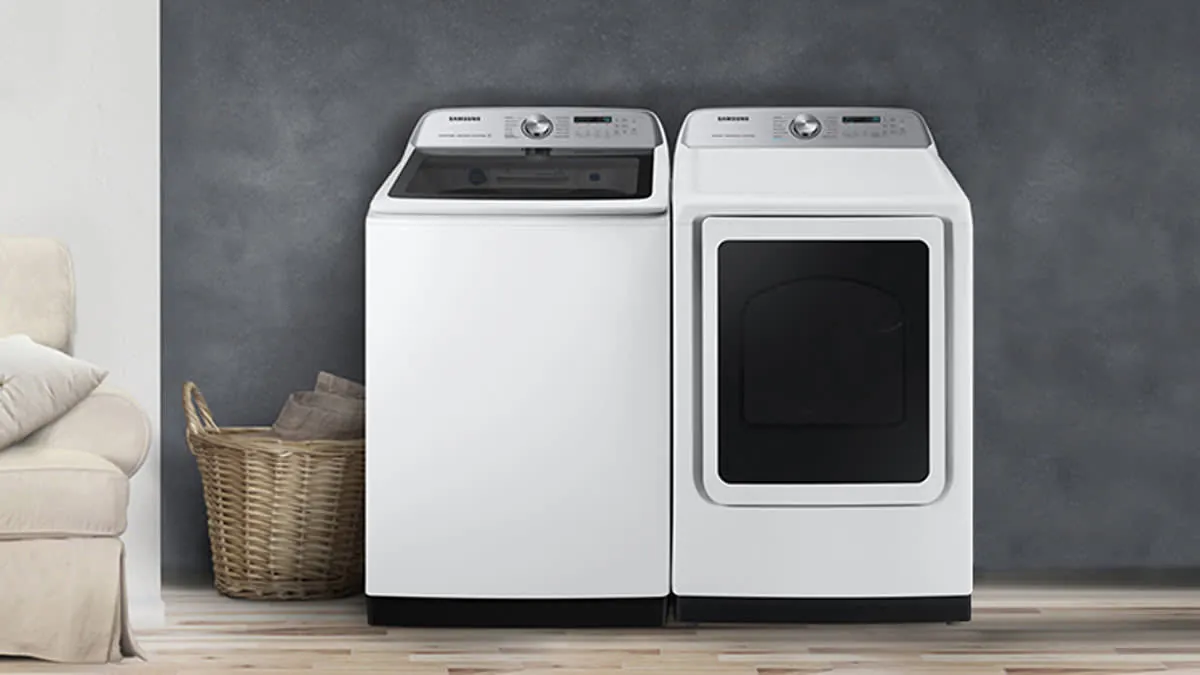
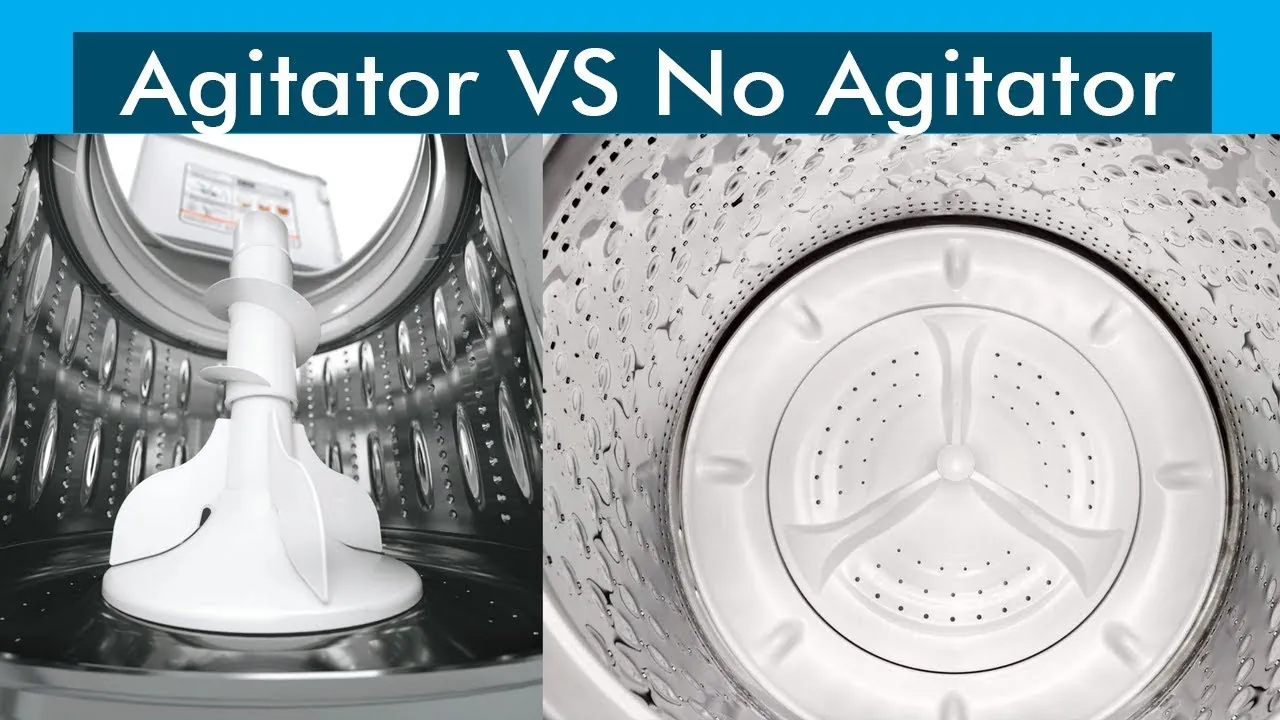
An agitator washer has a tall fin in the middle of the drum that twists back and forth. An agitator-free machine — often called a high-efficiency or impeller top loader — has a low plate at the bottom that spins and pushes water through the fabric. Both wash clothes. They just move them in different ways.
Here’s how the main options stack up.
| Method | How long | Effort | Cost | Best for |
|---|---|---|---|---|
| Agitator top loader | 30–60 min per cycle | Low | Low | Heavy soil, tight budget |
| Impeller top loader | 45–90 min per cycle | Low | Medium | Everyday loads, less wear |
| Front loader | 60–120 min per cycle | Low | High | Best cleaning, lowest water use |
| Hand washing | 20–40 min per load | High | Low | Delicates, tiny loads |
The times above assume a normal cycle on a standard-size machine. A large-capacity drum or a heavy-duty setting runs longer, so add roughly 15–20 minutes if you pick those.
Notice that no single row wins everything. The agitator model is cheapest and fastest, but it’s the hardest on fabric. The front loader cleans best and sips water, but it costs the most and takes the longest. The impeller top loader sits in the middle — and that middle spot is why it’s become the default for most households.
Hand washing is on the list because people still do it, but it’s slow and hard on your back. It’s really only worth it for a few delicate items.
How an impeller washer works
An impeller machine drops the tall post and replaces it with a low, wide disc or plate. That disc spins fast and creates a current that pulls clothes down through the water and past each other. Friction between the garments does most of the cleaning.
Here’s the basic cycle.
- Load clothes loosely. Fill to about three-quarters full, not packed tight. An overloaded drum can’t move the fabric, and the wash comes out streaked.
- Add 2 tablespoons of high-efficiency (HE) detergent for a normal load. More suds don’t mean cleaner clothes — too much foam actually cushions the fabric and slows the tumbling.
- Choose a cycle. A normal cycle runs about 45–60 minutes on most models. A deep-water or heavy-duty setting adds time and water.
- Let the machine fill and wash. Water levels are usually automatic, so the sensor sets the amount based on load size.
- Run a rinse and spin, then move clothes to the dryer right away to avoid wrinkles.
The big strength here is fabric care. With no post to snag on, socks, sleeves and thin knits last longer. Water use is lower too, which helps on your utility bill over a year.
The weakness is real: a gentle wash struggles with caked-on mud or grease. For that, you’ll want to pretreat stains or pick a heavy-duty cycle.
How an agitator washer works
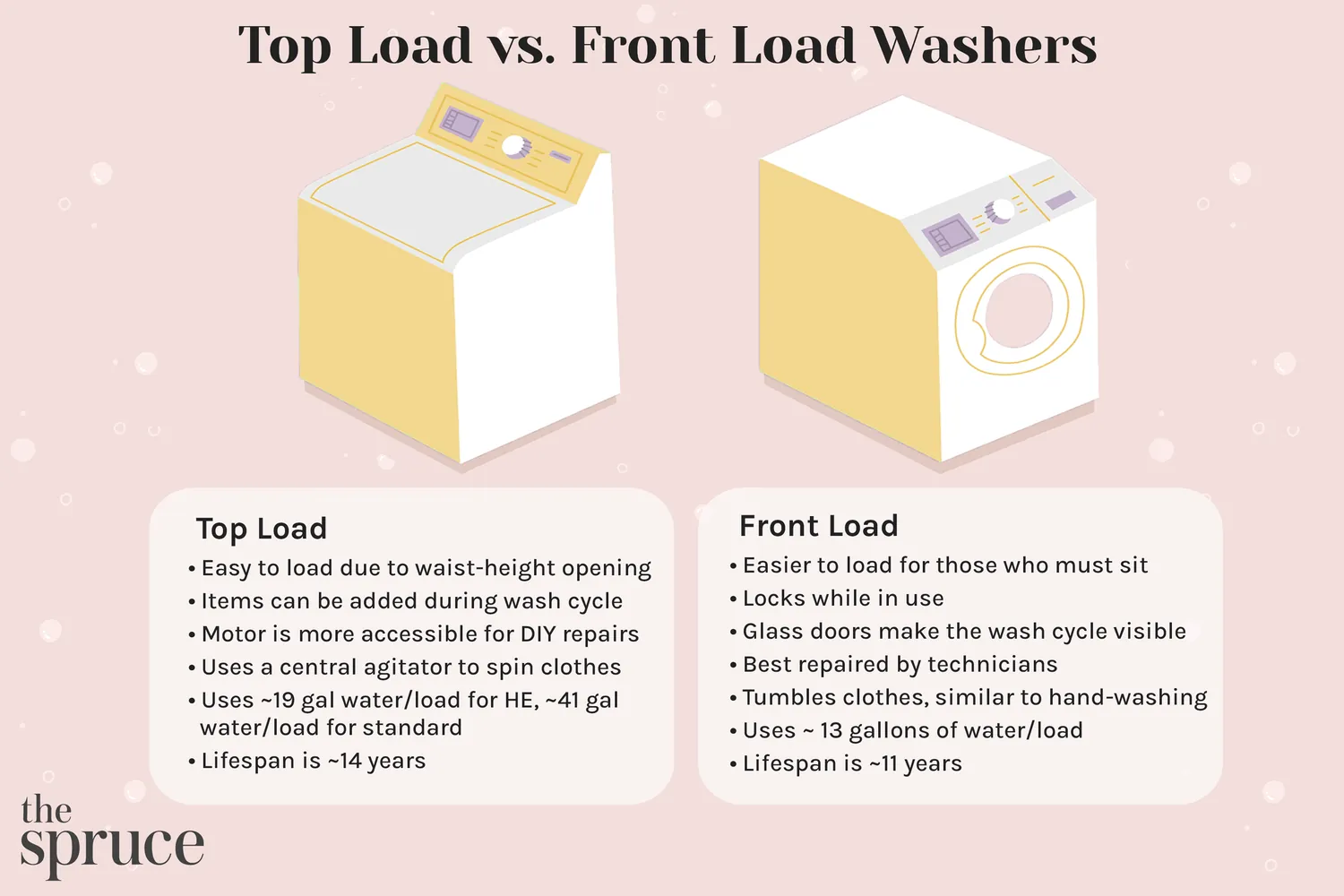
An agitator washer uses a central fin that twists back and forth, dragging clothes through the water. That mechanical scrubbing is aggressive, and that’s the point — it lifts dirt that a gentler wash leaves behind.
A typical wash looks like this.
- Load clothes around the agitator, leaving room for them to move. Don’t wrap items around the post.
- Add 1–2 tablespoons of regular or HE detergent, depending on your machine type.
- Pick a cycle and water level. A normal cycle runs about 30–45 minutes, faster than most impeller machines.
- Let the agitator work. The twisting motion scrubs fabric against itself and the post.
- Spin and unload. Move items to the dryer promptly.
The strength is cleaning power on tough soil, plus a lower purchase price and shorter cycles. If your family comes home covered in garden dirt or grease, this machine earns its keep.
The weakness is wear. The agitator pulls and stretches fabric, so thin shirts, wool and delicates age faster. It also uses more water per load.
If you’re comparing specific models, the maker’s own spec sheet lists capacity, water use and cycle times — that’s the page to trust over a store display.
Front loaders and hand washing, briefly
A front loader tumbles clothes in a drum and cleans best of all, using the least water. It costs the most and cycles run longest, so it suits people who care about results and efficiency more than speed or price.
Hand washing is the fallback for a single delicate item — it’s slow and tiring, and not worth it for a full family load.
If you’re choosing for a household of four or more, the front loader wins on water and on how clean the clothes come out. If you live alone and wash twice a month, the machine’s price and cycle time are hard to justify — how often you replace, clean or service it depends on your use, and the owner’s manual is the authority.
The mistake is buying a front loader for one person’s small weekly load, then running it half empty for years. Fill the drum; a half load wastes the water advantage you paid for.
Which washer fits your situation?
When you’re in a hurry. An agitator top loader wins. Its cycles finish in roughly 30–45 minutes, and you can start a load and be done before lunch.
When it’s your first washer. An impeller top loader is the safer pick. It’s forgiving with different fabrics, uses less water, and you won’t wreck a favorite shirt by accident.
When you want the best result, whatever it takes. A front loader cleans the deepest and uses the least water. You’ll pay more and wait longer, but the clothes come out cleanest.
When someone in the house has allergies. A front loader is worth the extra money. Its high-speed spin pulls more water out of each load, so sheets and towels spend less time drying damp, which is where mildew gets its start.
When you’re washing for one or two people. A compact top loader, usually 2 to 3 cubic feet, handles a week of clothes without running a half-empty drum. Full-size machines reward big households and punish small ones with wasted water and floor space.
When the laundry is in a closet or upstairs. Measure the door and the turn at the top of the stairs before you buy. Front loaders need room for the door to swing open, and a machine that won’t fit is a machine you’ll be returning.
The trade-off is always the same shape: more cleaning power costs you either fabric life, water or money. An impeller machine trades a little scrubbing force for gentler washing and lower water use. An agitator trades fabric wear for speed and a lower price. Pick the trade you can live with, not the one that sounds best on paper.
What matters no matter which washer you pick
Whatever you buy, a few rules hold true. The U.S. Department of Energy sets the water and energy standards that washers must meet, so check the yellow EnergyGuide label on any model — it lists estimated yearly cost and water use for that exact machine. That’s the number to compare, not the marketing copy.
Before you buy, measure your space and your doorways. A top loader needs clearance above it for the lid to open, and a big drum is wider than it looks.
Partway through, check the load. If clothes come out still soapy, you’re using too much detergent. If they’re not getting clean, you’re probably overloading the drum.
At the end, leave the lid open for an hour so the drum dries. That cuts down on musty smells between washes.
If your machine ever needs repair inside the housing, call a qualified technician. Washers mix water and electricity, and that’s not a do-it-yourself job.
Related guides
Frequently asked questions
Do top loaders without an agitator clean as well?
For everyday dirt, yes — they clean about as well as an agitator machine on normal loads. The gap shows up on heavy soil like mud, grease or grass stains. For those, pretreat the stain or run a heavy-duty cycle. Consumer Reports and ENERGY STAR both test cleaning performance, so check their results for a specific model before you buy.
How long does a wash cycle take without an agitator?
A normal cycle runs about 45–60 minutes on most impeller top loaders. That’s longer than a typical agitator machine, which finishes in roughly 30–45 minutes. A large-capacity drum or a heavy-duty setting adds time, so plan on closer to 90 minutes for those. Exact times vary by model, so check the maker’s spec sheet.
Can you use regular detergent in a washer without an agitator?
No — use high-efficiency (HE) detergent only. These machines use less water, and regular detergent creates too many suds. Extra foam cushions the clothes so they don’t rub together, and the wash comes out less clean. It can also leave residue in the drum. The HE label is printed on the bottle, so check before you pour.
Is it safe for delicate clothes?
Yes, it’s one of the safest options for delicates. With no central post to snag or stretch fabric, thin knits, socks and activewear hold up longer than in an agitator machine. Use a gentle cycle and a mesh bag for very thin items. Skip the heavy-duty setting, which moves clothes more aggressively.
What happens if I overload a washer without an agitator?
The clothes can’t move freely, so they don’t rub against each other and the wash comes out streaked and still dirty. Overloading also strains the motor and bearings over time. Fill the drum to about three-quarters full and leave room for items to tumble. If clothes come out in a tight wet ball, you’ve overloaded it.
Why does my washer without an agitator smell musty?
Water and lint get trapped under the impeller plate and in the drum, and that damp film grows odor. Wipe the drum and the plate edge, then run a clean cycle with a washer cleaner or 1 cup of white vinegar. Leave the lid open after each wash so the inside dries. A musty smell that returns fast usually means too much detergent.
Do these washers use less water?
Yes, most use less water than an agitator model, because they sense the load and fill only as needed. The exact amount depends on the model and the cycle you pick — a deep-water setting uses much more than a normal one. The yellow EnergyGuide label lists the estimated yearly water use for that machine, so compare that figure across models.
Conclusion
Whichever machine you choose, the honest answer is that the best one depends on your loads. If your clothes are mostly everyday wear, an impeller top loader gives you good cleaning, less fabric wear and lower water use. If your laundry is heavy soil and you want the lowest price, an agitator machine still does that job well. Read the EnergyGuide label for the model you’re eyeing, and you’ll know your own numbers before you pay.