
Ice builds up when warm, moist air gets into the freezer and condenses on cold surfaces. The fix is to stop that air getting in: check the door seal first, because a gasket that’s cracked, dirty or not touching the frame is the most common cause. Wipe the seal with warm water, dry it, and close the door on a dollar bill — if it slides out easy, the seal needs replacing. A full freezer has less air to exchange when the door opens, so it frosts up slower.
How to prevent moisture in your freezer

Frost doesn’t appear for no reason. Every time warm air meets a cold surface inside the freezer, the water in that air turns to ice. So the real question isn’t how to scrape it off — it’s where the air is getting in.
The door seal is the first place to look. A gasket that’s dirty, torn or flattened won’t sit tight against the frame. Even a small gap lets a steady trickle of room air inside. Over weeks, that trickle becomes a thick layer of ice.
Opening the door too often, or leaving it open while you decide what to eat, does the same thing. Each opening swaps cold, dry air for warm, damp air. A freezer that’s mostly empty makes this worse, because there’s more air to exchange with the room each time the door opens.
Food that isn’t wrapped properly adds moisture too. Warm leftovers, uncovered soup, or a wet container all release water vapor straight into the freezer air. That vapor lands on the walls and turns to frost.
Sometimes the cause is a blocked or frozen drain line, which stops meltwater escaping during the defrost cycle. If you see ice pooling at the bottom, that’s usually it. For frost-free models, a failed defrost heater or timer can also be the reason — and that’s a repair job, not a cleaning job.
Fix the door seal first
This is the fix for most people, and it’s free. Start by looking at the gasket — the soft rubber strip around the door edge. Run your finger along it. You’re checking for cracks, stiff spots, or food stuck in the fold.
Clean it with warm water and a little dish soap, then dry it fully. A dirty seal can’t grip the frame properly. Next, do the dollar bill test: close the door on a bill so half hangs out, then pull. Do this at four or five points around the door. If the bill slides out with no resistance, that spot isn’t sealing.
If the seal is only slightly loose, a hair dryer on low can soften the rubber so it sits back into shape. Hold it about 6 inches away for a few seconds at a time, then press the seal into place. Don’t overheat it — rubber warps fast.
If the gasket is cracked or still won’t seal after cleaning, replace it. You can order one using your freezer’s model number, and most clip or screw into place in under 30 minutes. This fix is for anyone with visible frost near the door edges or a seal that fails the bill test. If the door itself is bent or the hinge is loose, stop here and call a technician — that’s past a do-it-yourself job.
Manage the air inside
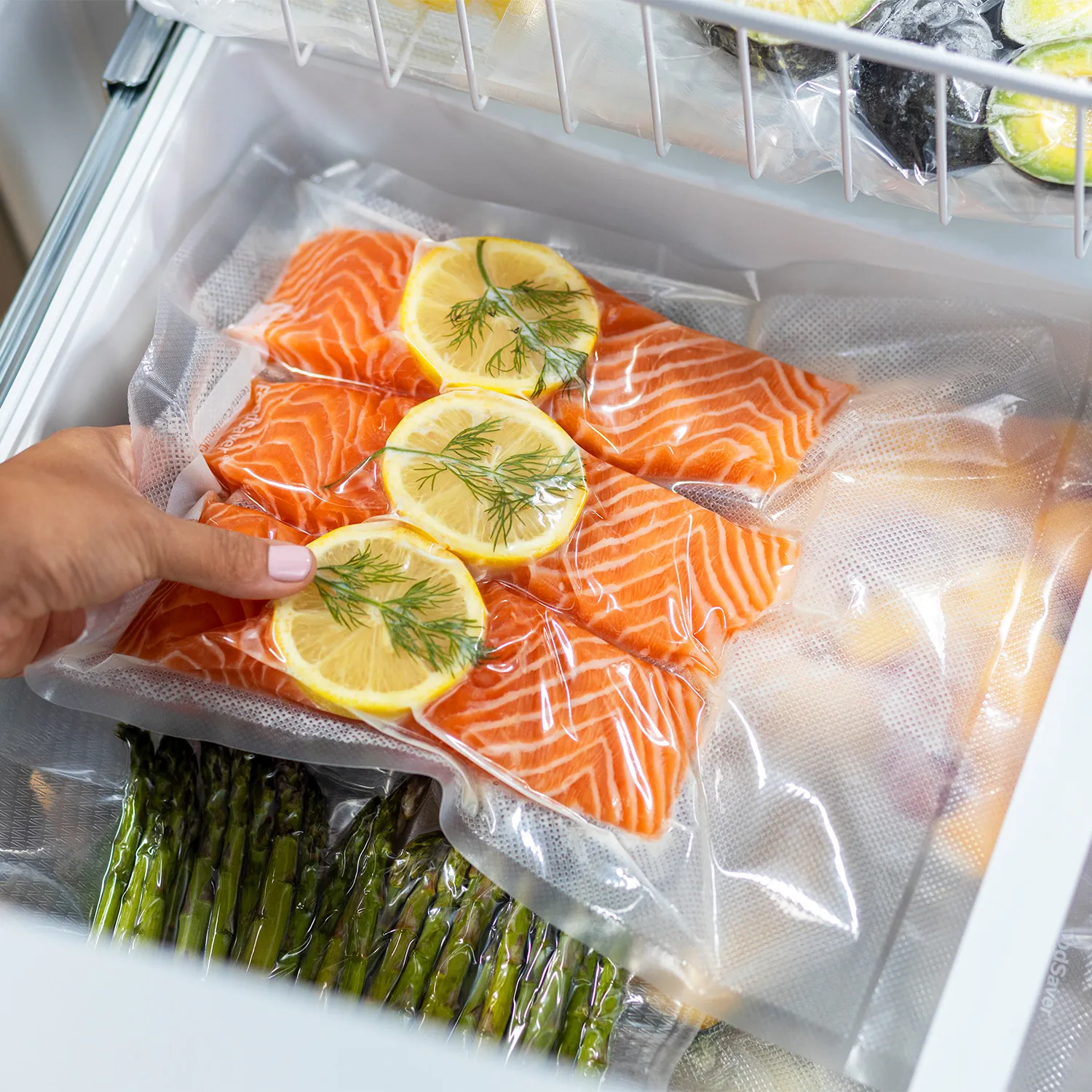
If your seal is fine but frost still builds, the problem is the air you’re letting in and the moisture already inside. This fix is about habits and packing, not parts.
Keep the freezer full. A full freezer holds less air, so there’s less warm air to swap when you open the door. If you don’t have enough food, fill empty space with sealed water bottles or crumpled newspaper. Leave about an inch between items so cold air can still move around.
Cool food before it goes in. Let leftovers sit until they stop steaming, then cover them. A tight lid or freezer bag keeps the moisture in the food, not in the air. This one change alone cuts frost a lot.
Open the door less. Decide what you want before you open it, and close it while you’re thinking. If you’re in and out a lot, a chest freezer loses less cold air than an upright, because cold air stays put when you open the lid.
You’ll know it’s working when the frost layer stays thin — a light dusting instead of a thick crust. Expect to see the difference within a week or two. If ice still builds fast after this, the seal or the defrost system is the real cause, so go back to the first fix.
Deal with a blocked drain or defrost fault
This is the fix for the harder cases — when the seal is good, your habits are fine, and ice still wins. It’s worth the extra time only if you’ve already ruled out the seal and the door habits. Otherwise you’re fixing the wrong thing.
First, check the drain. On most frost-free freezers, there’s a small hole at the back or bottom that lets meltwater out during the defrost cycle. If it’s clogged with food bits or frozen solid, water backs up and refreezes as ice. Unplug the freezer, let it defrost fully — usually 8 to 12 hours for a standard unit — then flush the drain with warm water. A turkey baster works well for this.
If the drain is clear and frost still returns within days, the defrost system may have failed. That includes the defrost heater, the timer, or the thermostat that starts the cycle. You can’t test or replace these safely yourself. A capacitor inside can hold a lethal charge even when the freezer is unplugged.
At that point, call a qualified appliance technician. They’ll test the components with proper meters and replace what’s failed. This is also the point where a freezer older than about 10 to 15 years may not be worth repairing — check the cost of the repair against a new unit before you decide.
What makes freezer frost worse
-
Chipping ice off with a knife or screwdriver. You can puncture the cooling coils behind the wall. That leaks refrigerant, kills the freezer, and turns a small job into a replacement. If the ice is too thick to remove with a plastic scraper, unplug the freezer and let it melt on its own.
-
Pouring hot water straight into the freezer to speed up defrosting. It warms the interior too fast and can crack plastic liners. Use bowls of warm water instead, and keep the door open. Boiling water in a plastic tub is the worst version of this mistake.
-
Leaving the door open while you load groceries. Every extra minute pulls in warm, damp air that turns straight to frost. Load in one go, then shut it. In humid weather, work faster and check the seal after.
-
Putting warm food straight in. It releases steam inside, and that moisture has nowhere to go but onto the walls. Cool it first, then cover it. A lid or a tight wrap keeps most of that moisture out of the air entirely.
-
Ignoring a small leak because “it’s just a bit of frost.” A thick layer insulates the coils, so the freezer works harder and runs longer. Left alone, it thickens and costs you energy. If frost returns within a week or two of a full defrost, the door gasket is the likely culprit. Test it by closing the door on a dollar bill: if it slides out easily, the seal is failing and needs replacing.
Stop it coming back

The pattern is simple: frost is air and moisture meeting cold. So the job is to keep both out, then check the parts that control them. Here’s what to swap.
| If you’re doing this | Do this instead | Why |
|---|---|---|
| Scraping ice every few weeks | Clean and test the door seal | Frost keeps returning until the air leak is closed |
| Leaving the freezer half empty | Fill gaps with sealed water bottles | Less air inside means less warm air to swap |
| Storing warm, uncovered food | Cool it, then cover tightly | Trapped moisture can’t escape into the freezer air |
| Opening the door to browse | Decide first, then open once | Each opening trades cold air for warm, damp air |
| Ignoring ice at the bottom | Check and flush the drain line | Blocked drains refreeze and build up fast |
| Forcing the door shut on a bent hinge | Call a technician | A misaligned door never seals, no matter what you do |
Frequently asked questions
How often should I defrost a freezer to prevent moisture?
When the frost layer reaches about ¼ inch (6 mm), defrost it. That’s the standard guidance for manual-defrost freezers. Frost-free models run their own cycle and usually don’t need manual defrosting at all. Thicker ice insulates the walls, so the freezer runs longer and uses more energy. Check the layer every few weeks with a ruler.
Why does my freezer get ice even though the door seems closed?
The seal is the usual answer, even when the door looks shut. Do the dollar bill test at several points around the frame. If the bill slides out easily anywhere, air is getting in there. A dirty or stiff gasket, a bent hinge, or a warped door frame all cause this. Clean the seal first, then replace it if it still fails the test.
Is it safe to eat food from a freezer with heavy frost buildup?
Yes, if the food stayed frozen solid the whole time. Frost itself doesn’t spoil food. But heavy ice means the freezer is working harder and temperatures may swing. Check that everything is still frozen hard with no soft spots. If food thawed and refroze, or sat above 40°F, throw it out. The USDA says to discard perishable food that’s been above 40°F for more than 2 hours.
Can I use a hair dryer to defrost my freezer faster?
Yes, on a low setting, held about 6 inches from surfaces. Keep it moving and don’t hold it in one spot, because too much heat warps plastic liners and can crack them. Never use a knife, ice pick or screwdriver to chip ice — you can puncture the coils and lose the refrigerant. Bowls of warm water on the shelves work too and carry no risk.
What happens if I never defrost my freezer?
The ice keeps building. Once it’s thick, it acts like insulation, so the freezer can’t cool food properly and the compressor runs almost nonstop. That raises your energy bill and shortens the freezer’s life. In bad cases, food stops staying frozen hard. A ¼ inch layer is a good point to act — letting it get thicker costs you energy.
How long does it take to defrost a freezer?
A standard unit takes about 8 to 12 hours to fully defrost with the door open and bowls of warm water inside. A small freezer may finish in 4 to 6 hours. Plan it for a day when you won’t need the freezer. Keep food in a cooler with ice while it defrosts, and don’t rush it with hot water or tools.
Conclusion
If the frost keeps coming back after you’ve checked the seal, it’s worth looking at how often the door gets opened and whether the freezer sits somewhere damp. You’ll save yourself a lot of scraping if you fix the cause instead of the symptom.